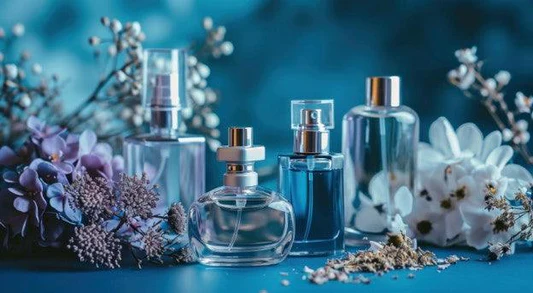
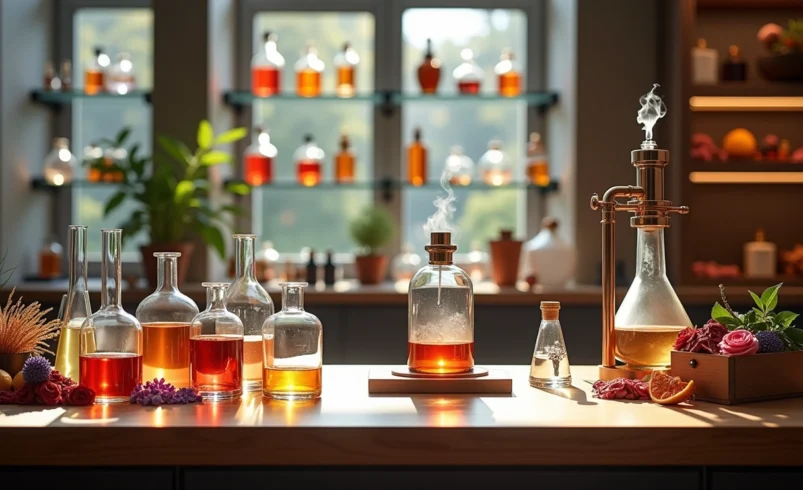
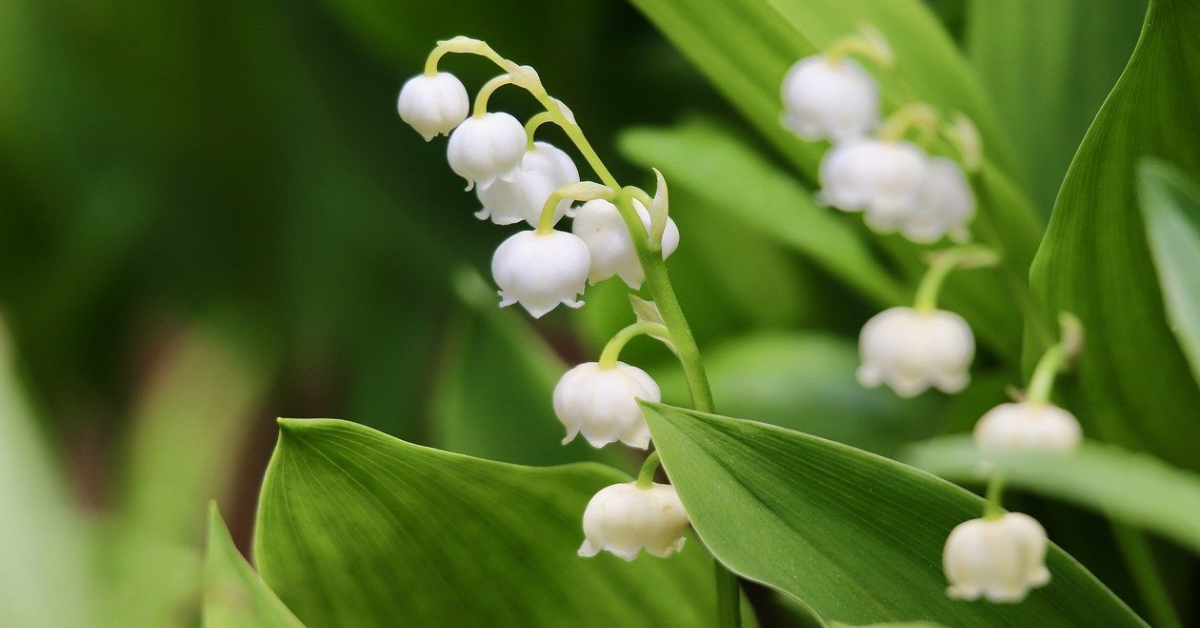
Creating your own perfume at home is easier than it looks – and very satisfying. You get a unique scent that no one else has, you control what goes on your skin, and you often save money compared to buying designer perfumes.
Thank you for reading this post, don't forget to share!
This guide will walk you through:
- Basic perfume theory (notes, strength, families)
- What ingredients and tools you actually need
- A clear step‑by‑step method
- Simple beginner recipes you can copy
- How to test, adjust, and make your scent last longer
Why Make Your Own Perfume at Home?
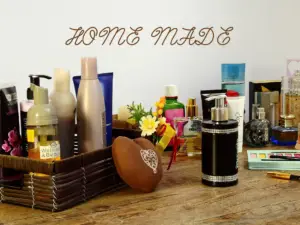
- Uniqueness: Your “signature scent” is truly yours, not something thousands of people are wearing.
- Control: You choose the ingredients (more natural, less synthetic, alcohol‑free if you want).
- Budget‑friendly: Raw materials can be reused to make many different perfumes.
- Personal gifts: Perfect for birthdays, weddings, and special occasions.
- Fun hobby: Like cooking, but with scents.
Perfume Making Basics
Fragrance Notes: Top, Middle, Base
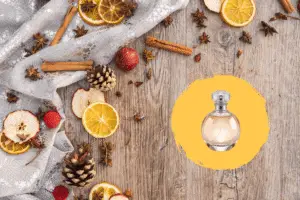
Every perfume is built like a pyramid:
- Top Notes (open in 0–30 minutes)
Light, fresh, the first impression.
Examples:
- Citrus: lemon, bergamot, orange
- Light herbs: lavender, mint, eucalyptus
- Middle (Heart) Notes (last 1–4 hours)
The main character of the perfume.
Examples:
- Florals: rose, jasmine, ylang‑ylang
- Spices: cinnamon, cardamom
- Soft fruits: peach, pear
- Base Notes (last 4+ hours)
Deep, heavy notes that stay on the skin. They “fix” the whole perfume.
Examples:
- Woods: sandalwood, cedarwood
- Resins: amber, benzoin
- Musk, oud, vanilla, patchouli
A classic structure is:
- 30% top notes
- 40% middle notes
- 30% base notes
You don’t have to follow this exactly, but it’s a good starting point.
Types of Perfume by Strength
This is about how much fragrance oil is in the total liquid:
- Eau de Cologne (EDC): 2–5% fragrance – very light, fades quickly
- Eau de Toilette (EDT): 5–15% – good for daily use
- Eau de Parfum (EDP): 15–25% – richer, lasts longer
- Perfume Oil / Attar: 15–30% fragrance oil in a carrier oil – no alcohol
For home use, most people like:
- EDP spray for a classic perfume
- Oil‑based roller if you don’t want alcohol
Choosing Your Signature Scent Style
Main Fragrance Families
Think about what you usually enjoy smelling:
- Fresh: Clean, light, bright
- Citrus (lemon, lime, orange, bergamot)
- Green (tea, fresh leaves, herbs)
Best for: daytime, hot weather, office.
- Floral: Feminine, romantic, soft
- Rose, jasmine, tuberose, lily, ylang‑ylang
Best for: dates, weddings, special occasions.
- Oriental / Amber: Warm, sweet, slightly spicy
- Vanilla, amber, benzoin, cinnamon, cardamom
Best for: evenings, winter, parties.
- Woody: Deep, elegant, often more unisex or masculine
- Sandalwood, cedarwood, vetiver, oud
Best for: year‑round, formal occasions.
- Gourmand: Smells like desserts or food
- Chocolate, caramel, coffee, tonka bean
Best for: winter, casual or evening wear.
How to Discover What You Like
- Look at perfumes you already own – search them online and see their notes.
- Ask: do you love fresh, sweet, floral, spicy, or woody scents?
- When you smell essential or fragrance oils, note which ones make you say, “Wow!”
Ingredients and Tools You Need
Core Ingredients
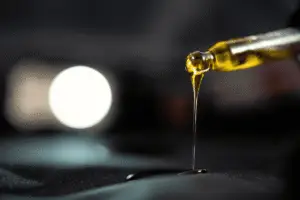
- Essential Oils
Natural aromatic extracts from plants. Strong and concentrated.
Examples: lavender, lemon, rose, sandalwood.
- Fragrance Oils
Man‑made or blended aromas designed for perfumery. Often more stable, with many creative scents (e.g., “black opium type”, “blue ocean”, “vanilla cupcake”).
- Carrier / Base
You must dilute oils before putting them on skin. Options:
- Perfumer’s alcohol (best, if available)
- High‑proof vodka (at least 90–95% if possible)
- Carrier oils for alcohol‑free perfumes:
- Jojoba oil (excellent, long‑lasting)
- Fractionated coconut oil (clear, light)
- Sweet almond oil (good, but can go rancid faster)
- Distilled Water (optional)
For light body sprays or to soften very strong alcohol smells.
Basic Tools
- Small dark glass bottles (10–30 ml) with spray tops or rollerballs
- Glass droppers or pipettes
- Small measuring cups or syringes (ml)
- Paper strips or coffee filter pieces for testing
- A notebook or digital notes to record each formula
Safety First
Skin Safety and Allergies
- Never apply undiluted essential oils directly on the skin as a perfume.
- Always dilute in carrier oil or alcohol.
- For most people, keep total essential oil level around:
- Up to 20% for perfumes is common, but if you’re very sensitive, start around 10–15%.
- Always do a patch test:
- Apply a small amount of your diluted perfume to the inside of your forearm.
- Wait 24 hours.
- If there’s redness, itching, burning, or rash – don’t use it on your skin.
Special care:
- Some citrus oils (like cold‑pressed bergamot, lime, lemon) can be phototoxic – they may cause sun sensitivity. Either use “FCF” / non‑phototoxic versions, lower the percentage, or avoid using them on skin before sun exposure.
Handling and Storage
- Work in a ventilated area.
- Keep oils and finished perfumes away from direct sunlight and heat.
- Keep everything away from children and pets.
- Clearly label bottles (name, date, key ingredients).
Step‑by‑Step: How to Make Perfume at Home
Step 1 – Plan Your Formula
On paper, choose:
- 1–2 base notes (e.g., sandalwood + vanilla)
- 2–3 middle notes (e.g., rose + jasmine)
- 1–2 top notes (e.g., bergamot + lavender)
Start simple with 3–5 total ingredients. For example:
- Base: vanilla, sandalwood
- Middle: rose
- Top: bergamot
Write them down and decide roughly which should be strongest.
Step 2 – Make a Small Test Batch
Begin with a 10 ml test bottle. It’s enough to evaluate the scent without wasting ingredients.
For a perfume spray (around 20% strength):
- 2 ml fragrance blend (your mix of essential/fragrance oils)
- 8 ml alcohol (perfumer’s alcohol or strong vodka)
Tip: 1 ml ≈ 20 drops (this can vary, but it’s a useful estimate).
So for 10 ml total:
- 2 ml fragrance blend ≈ 40 drops
- 8 ml alcohol ≈ 160 drops
You can work by drops if you don’t have ml tools yet.
Step 3 – Mix the Fragrance Blend
Before adding alcohol:
- In a small glass cup or bottle, combine your base, middle, and top notes.
- Example for 40 drops total (your 2 ml fragrance blend):
- Base notes (12 drops total)
- 8 drops sandalwood
- 4 drops vanilla
- Middle notes (18 drops total)
- 12 drops rose
- 6 drops jasmine
- Top notes (10 drops total)
- 6 drops bergamot
- 4 drops lavender
- Smell on a paper strip. It will be strong and “raw” but you’ll get a first idea.
- Adjust slightly if something is too dominant (add more of opposite character).
Crucial: Write down every drop so you can repeat the formula later.
Step 4 – Dilute with Alcohol or Oil
- Pour your fragrance blend into the empty 10 ml bottle.
- Add the required amount of alcohol (or carrier oil for oil‑based perfume).
- Close and gently swirl the bottle to mix. Don’t shake extremely hard – gentle mixing is enough.
Step 5 – Let It Mature (Maceration)
Freshly made perfume often smells sharp, disconnected, or “alcoholic.” Time will fix this.
- Leave the bottle in a cool, dark place for at least 48 hours.
- For best results, let it age 2–4 weeks.
- Gently swirl every few days.
Over time, the scent becomes smoother, deeper, and more blended.
Testing and Adjusting Your Signature Scent

Testing on Paper vs Skin
- On paper (blotter / coffee filter strip):
- Dip or spray once.
- Smell immediately, after 10 minutes, after 1 hour.
- On skin:
- Apply on clean skin on your wrist or inner arm.
- Smell right away, after 30 minutes, after 3–4 hours.
Perfume changes over time – don’t judge it only in the first 5 minutes.
Fixing Common Problems
- Too strong / heavy:
- Add more alcohol or carrier oil to dilute.
- Or reduce base notes like oud, patchouli, resins.
- Too weak / disappears fast:
- Increase the overall fragrance percentage a little.
- Add stronger base notes (musk, amber, sandalwood, patchouli).
- Too sweet:
- Add fresher notes (citrus, green, light herbs).
- Or add dry woods (cedarwood, vetiver).
- Too sharp / harsh:
- Soften with a bit of vanilla, benzoin, tonka, or a soft floral like rose.
Make small changes, keep good notes, and test again.
How to Make Your Perfume Last Longer
Tips for Longevity on Skin
- Include good base notes:
- Sandalwood, cedarwood, amber, musk, oud, patchouli, vetiver.
- Apply on pulse points:
- Wrists, neck, behind ears, inside elbows.
- Apply on slightly moisturized skin (unscented lotion or a bit of oil first).
- Don’t rub wrists together – it can break down top notes and fade the scent faster.
Storing Your Perfume
- Keep bottles in a cool, dark place, away from sunlight and temperature changes.
- Use smaller bottles so there’s less air inside.
- Keep caps tightly closed to prevent evaporation and oxidation.
Properly stored, many homemade perfumes can last 6–18 months or more, depending on ingredients.
Simple Beginner Recipes
Below are three easy recipes for a 10 ml perfume spray (around 20% strength).
You’ll need:
- 2 ml (≈ 40 drops) fragrance blend
- 8 ml perfumer’s alcohol or high‑proof vodka
You can scale all numbers up by x3 to make a 30 ml bottle.
1. Fresh Everyday Citrus (Unisex)
Fragrance family: Fresh / citrus / clean
Fragrance blend (40 drops total):
- Top notes (18 drops)
- 8 drops lemon (or sweet orange)
- 6 drops bergamot (preferably FCF / non‑phototoxic)
- 4 drops grapefruit
- Middle notes (14 drops)
- 8 drops lavender
- 6 drops neroli or petitgrain (orange blossom type)
- Base notes (8 drops)
- 4 drops cedarwood
- 4 drops vetiver (or sandalwood if you prefer smooth over earthy)
Mix these 40 drops, then add 8 ml alcohol, let mature for at least 3–7 days.
2. Soft Floral Feminine Scent
Fragrance family: Floral / romantic / gentle
Fragrance blend (40 drops total):
- Top notes (8 drops)
- 4 drops bergamot
- 4 drops mandarin
- Middle notes (22 drops)
- 12 drops rose
- 6 drops jasmine
- 4 drops ylang‑ylang
- Base notes (10 drops)
- 6 drops vanilla (or benzoin)
- 4 drops sandalwood
Mix, add 8 ml alcohol, and let age for at least 1–2 weeks. This one improves a lot with time.
3. Warm Woody / Oriental Evening Scent
Fragrance family: Woody / amber / slightly spicy
Fragrance blend (40 drops total):
- Top notes (6 drops)
- 4 drops bergamot
- 2 drops black pepper (optional, for spice – don’t overdo it)
- Middle notes (14 drops)
- 6 drops cardamom or cinnamon leaf (very little, it’s strong)
- 8 drops rose or another soft floral (to round it)
- Base notes (20 drops)
- 8 drops sandalwood
- 6 drops patchouli (or cedarwood if you dislike patchouli)
- 6 drops vanilla, amber, or benzoin
Mix, add 8 ml alcohol, and let mature at least 2–4 weeks. This becomes deeper and smoother over time.
Common Mistakes (and How to Avoid Them)
- Using too many oils at once
- Stick to 3–7 ingredients per perfume, especially as a beginner.
- Not writing down formulas
- Always note each drop and date. If something turns out great, you’ll want to recreate it.
- Skipping the aging step
- Freshly mixed perfume is rarely at its best. Give it time.
- Adding too much essential oil
- Can cause headaches, nausea, or skin irritation. Keep within safe ranges and always patch test.
- Smelling too often and too close
- You will “nose fatigue.” Take breaks; smell coffee beans or fresh air between tests.
FAQs About Perfume Making at Home
1. Can I make perfume without alcohol?
Yes. Use a carrier oil like jojoba or fractionated coconut oil and fill a roller bottle. Example:
- 2 ml fragrance blend + 8 ml carrier oil in a 10 ml roller.
2. How long does homemade perfume last?
If stored well (cool, dark, closed):
- Alcohol‑based perfumes: 6–24 months
- Oil‑based perfumes: 6–12 months (jojoba lasts longer than many other oils)
3. Can I use only essential oils?
Yes, but:
- They are strong – keep within safe dilution levels.
- Some are phototoxic or irritating. Research each oil or buy blends made for perfumery.
4. Is it safe to use citrus oils in the sun?
Some citrus oils can make your skin more sensitive to sunlight and cause reactions.
- Use non‑phototoxic (FCF) versions if possible.
- Or keep citrus levels low and avoid heavy sun exposure on perfumed areas.
5. How many ingredients should I start with?
Start with 3–5 core oils. Once you understand how they behave, you can create more complex blends.
Conclusion: Enjoy Your Signature Scent Journey
Perfume making at home is a mix of art and simple science. Start small, keep your formulas simple, write everything down, and give your blends time to mature. Each trial teaches you something about your own taste and about how different notes behave.