From Concept to Bottle: How Commercial Perfumes Are Made
- December 24, 2025
- 0
Thank you for reading this post, don't forget to share! Did you know that only about 2,000 of the 250,000 known flowering plant species in the world contain




9621 Agnes Crossing, Lake Suzanneview, New Mexico Island 84604-9295.
Thank you for reading this post, don't forget to share! Did you know that only about 2,000 of the 250,000 known flowering plant species in the world contain
Thank you for reading this post, don't forget to share!
Did you know that only about 2,000 of the 250,000 known flowering plant species in the world contain the essential oils needed for how perfume are made?
That’s less than 1% of all flowering plants! Despite this scarcity, the art of perfume manufacturing has evolved into a global multi-billion dollar industry. From ancient Egyptian rituals to modern luxury brands, the process of creating a fragrance involves a fascinating combination of art and science.
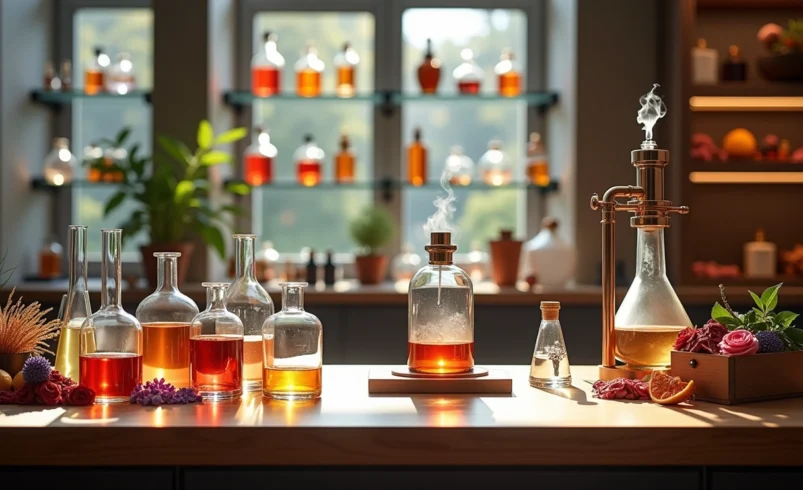
Interestingly, it takes one to two years for a fragrance to transform from a concept in a perfumer’s mind to the final product in a bottle. During this journey, we’ll explore how perfume oils are made from natural ingredients and why thousands of flowers are needed to obtain just a single pound of essential oils. We’ll also discover how perfume bottles are made and filled as part of the final production stages.
The manufacturing process involves several critical steps: collecting ingredients, extracting oils, blending, aging, and quality control. Furthermore, many of the methods from ancient times are still used by popular perfume brands today.
In this article, I’ll take you behind the scenes of commercial perfume production, revealing the intricate process that brings your favorite scents to life.
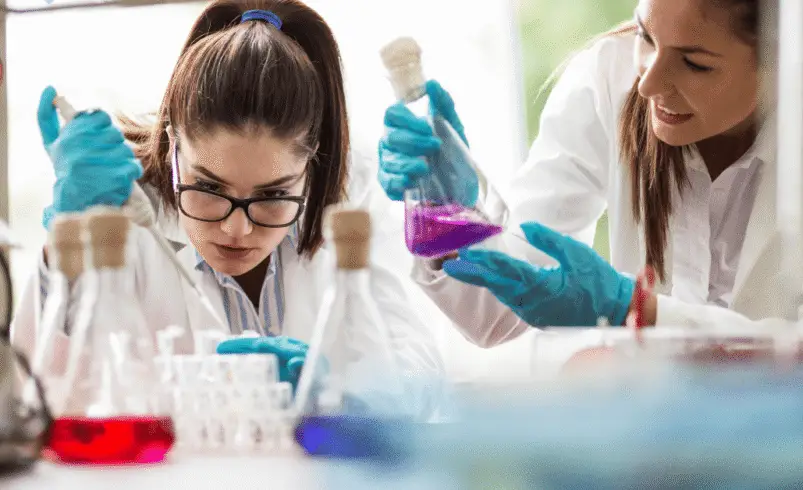
Every commercial perfume begins as an abstract concept in someone’s mind. Before a single drop of perfume oil is made, perfumers embark on a creative journey that transforms intangible ideas into olfactory masterpieces. This initial conceptualization stage is where the soul of a fragrance is born.
Perfumers, often referred to as “noses” in the industry, are highly specialized artists with exceptional olfactory abilities. With only about 600 professional perfumers worldwide, these rare talents undergo rigorous training typically a minimum 5-year apprenticeship to master thousands of aromatic ingredients.
Initially, the creative process begins with gathering inspiration. This inspiration can emerge from numerous sources:
“Like any creative process, developing a successful perfume requires multiple interactions with the client,” explains Piñol, an industry expert. “We begin with creating the olfactory proposal and then move on to designing the bottle and packaging”.
You can watch the video to understand the process:
The concept transforms into a detailed fragrance brief essentially a blueprint that outlines the mood, target audience, fragrance family, and narrative behind the scent. This document might describe a perfume as “sophisticated but mischievous” with “soft peonies laced with sparkling champagne”.
Subsequently, perfumers translate these abstract ideas into concrete formulations. “The fragrance must first take shape in your head,” notes one master perfumer. “The image becomes fixed and starts to haunt me, to obsess me”. This visualization process typically requires 30 to 600 tests before achieving the desired result.
Certainly, this isn’t a solitary endeavor. Fragrance evaluators often serve as interpreters between clients and perfumers, helping bridge the gap between technical expertise and consumer desires.
The link between scent and emotion is powerful studies show that smell triggers up to 75% of our daily moods. This emotional connection drives current fragrance development.
Perfume designers now deliberately craft scents to evoke specific emotional responses. Woody notes and lavender promote calmness, while citrus notes enhance concentration and stimulate positive feelings. Moreover, over half of UK fragrance users specifically select scents to lift their mood.
Current trends in fragrance design include:
Meanwhile, emerging sensory trends include earthy botanicals blended with biotech innovations, cozy gourmand notes (like milk, honeycomb, and cardamom), and dark florals paired with black tea and cocoa.
Indeed, the emotional aspect of perfumery has become increasingly important as brands recognize that consumers don’t just want to smell good—they want to feel good. This emotional dimension is now central to how commercial perfumes are made, with brands increasingly positioning fragrances as tools for wellbeing rather than simply pleasant scents.
The perfume industry relies on a diverse array of ingredients to create captivating scents. Once a fragrance concept is finalized, sourcing the right materials becomes the crucial next step in how perfumes are made.
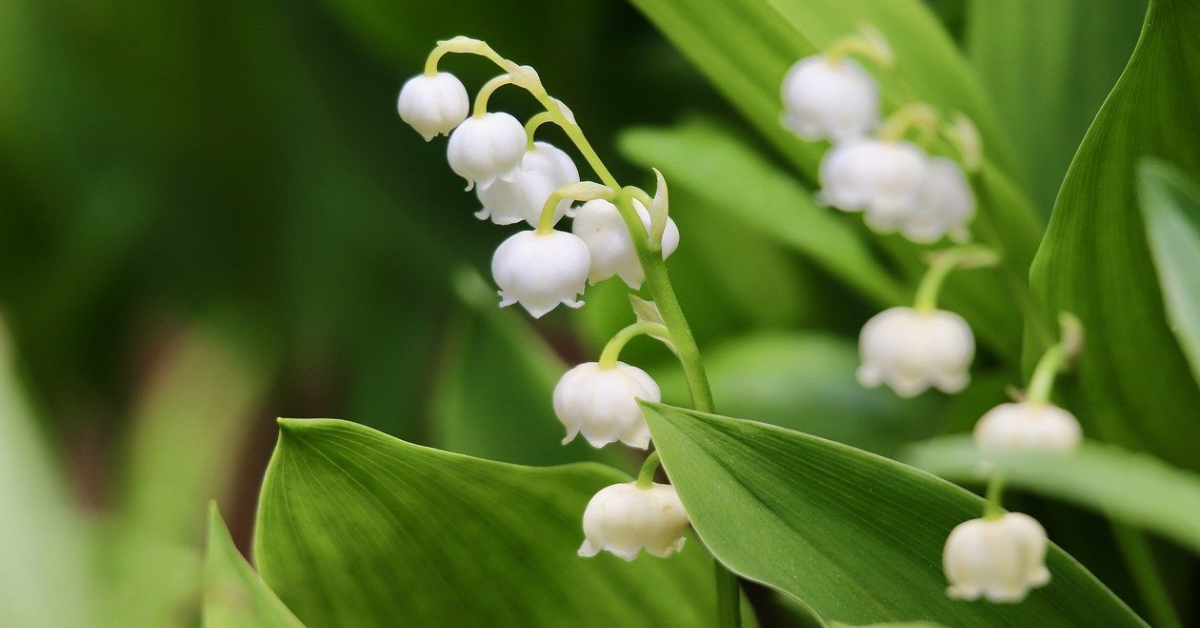
Natural ingredients form the historical backbone of perfumery. These materials come from various sources including flowers, grasses, spices, fruits, woods, roots, resins, balsams, leaves, and even animal secretions. Interestingly, among the quarter-million known flowering plant species worldwide, only about 2,000 contain viable essential oils for perfumery.
The most common natural materials include:
Animal substances traditionally served a critical purpose in perfumery—they act as fixatives that slow evaporation, allowing fragrances to last longer on the skin. Natural absolutes, considered the purest form of plant scent, provide richer and more intense aromas than standard essential oils.
Additionally, natural ingredients carry what many perfumers describe as an “aura of craftsmanship and earthiness,” making them popular choices in niche and artisanal perfumes. However, their complexity presents challenges—a single essential oil can contain hundreds of different molecules.
Despite the allure of natural ingredients, synthetic materials have become increasingly dominant in modern perfumery. These laboratory-created components offer several significant advantages:
Firstly, synthetics provide remarkable consistency. Unlike natural ingredients that vary between harvests due to climate, soil, and other environmental factors, synthetic ingredients deliver uniform quality and scent profiles each time. This consistency is especially valuable for mass-produced commercial fragrances.
Synthetics also address sustainability concerns. Many rare natural ingredients face overharvesting threats or require extensive resources to produce. Alternatively, synthetic components reduce pressure on natural resources while supporting sustainable practices.
From an economic perspective, synthetic ingredients typically cost three to five times less than their natural counterparts. This cost efficiency makes high-quality fragrances more accessible to broader markets.
Nonetheless, not all synthetics are completely artificial. Many “nature-identical” molecules replicate compounds naturally present in plants. For example, hedione, synthesized in 1962, naturally occurs in jasmine extracts. Similarly, ambroxan is derived from sclareol, a molecule extracted from clary sage.
The transformation of raw ingredients into perfume oils involves several specialized extraction methods:
Steam distillation represents one of the most traditional techniques. This process passes steam through plant material, turning essential oils into gas that later condenses back into liquid form. This method works particularly well for robust materials like woods and some flowers.
Solvent extraction offers an alternative approach for delicate materials. Here, plant materials are placed in rotating tanks where solvents like benzene or petroleum ether dissolve and capture the essential oils. This creates a waxy substance containing concentrated fragrance oils that are later separated using alcohol.
For citrus ingredients, perfumers often employ expression—the oldest and most economical extraction method. This technique involves pressing, squeezing, or compressing fruit peels to release their abundant natural oils. The relatively high oil content and ease of cultivation make citrus oils among the least expensive natural components.
Two additional traditional methods include enfleurage and maceration. Enfleurage, though costly and labor-intensive, captures fragrances by pressing flowers onto grease-coated glass sheets over several weeks. Maceration similarly uses warmed fats to absorb flower fragrance before extracting the oils.
Once extracted, these oils become the foundation from which master perfumers create their aromatic compositions.
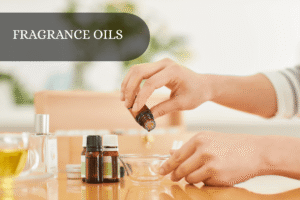
Once raw materials arrive at the perfume factory, the next critical phase in how perfume are made begins extracting the precious fragrance oils that will form the foundation of the final product.
Steam distillation remains the oldest and most widely used technique for extracting essential oils. In this process, plant material is placed inside a large stainless steel container called a “still.” Steam passes through the material, causing the essential oils to evaporate. These vapors travel through condensation pipes where they cool, separating into two products essential oil and hydrosol (floral water). Primarily, this method works excellently for heat-tolerant materials like lavender, geranium, and ylang-ylang.
Conversely, solvent extraction offers an alternative for delicate flowers that cannot withstand high temperatures. During this procedure, plant material is immersed in solvents such as hexane or ethanol that dissolve the essential oils. After filtration, the solvent evaporates, leaving behind a waxy substance called “concrete.” This concrete undergoes further processing with alcohol to separate the aromatic compounds, resulting in what perfumers call an “absolute.” Jasmine and tuberose are typically processed this way as they yield a more concentrated and fragrant oil compared to distillation.
Expression (cold pressing) is utilized almost exclusively for citrus fruits. The peels are mechanically pressed or punctured to release their abundant oils, which are then separated from juice and pulp through filtration or centrifugation. Notably, this technique preserves the fresh, natural aroma since no heat is involved—making it ideal for bergamot, lemon, and orange oils.
Enfleurage, although rarely used commercially today, represents perfumery’s most traditional extraction method. This labor-intensive process involves spreading odorless fat on glass plates called “chassis” and placing fresh flower petals on top. The fat absorbs the flowers’ fragrance over 24-48 hours, after which the depleted petals are replaced with fresh ones. This cycle continues until the fat becomes saturated with scent sometimes requiring up to 30 flower replacements. Finally, the scented fat (pomade) is washed with alcohol to obtain the pure fragrance.
The extraction method chosen varies based on the plant’s structure and oil content. For citrus oils, expression yields the purest results, with 1,000 sweet oranges producing approximately 500-600 grams of essence. The entire fruit is pressed, and the resulting mixture is centrifuged to separate the essential oil from juice.
Flower oils present unique challenges. Delicate blooms like jasmine contain heat-sensitive compounds that would be destroyed by distillation. Therefore, solvent extraction captures their complex fragrance profiles more effectively. Other flowers like lavender respond well to steam distillation, which preserves their aromatic compounds while producing both essential oil and valuable hydrosol as a by-product.
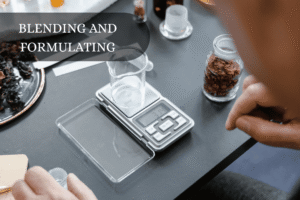
After essential oils are extracted, the artistic heart of how perfume are made begins blending and formulation. This alchemical process transforms raw materials into harmonious compositions through precision and creative vision.
The structure of a perfume resembles a pyramid with three distinct layers that unfold over time. Top notes create the critical first impression, typically featuring light, fresh elements like citrus or delicate fruits. These volatile components make up 20-40% of a blend but last merely 5-15 minutes before beginning to fade.
Middle notes (heart notes) emerge as top notes dissipate, revealing the fragrance’s true character. Comprising 50-75% of the composition, these floral, spicy, or fruity elements persist for 20-60 minutes, creating harmony between the initial burst and lingering finish.
Base notes provide the foundation and longevity. Though representing just 5-10% of the mixture, these heavy molecules fully develop after 30 minutes and can last 6+ hours sometimes remaining on clothing for days. Common base notes include vanilla, woods, amber, and musk.
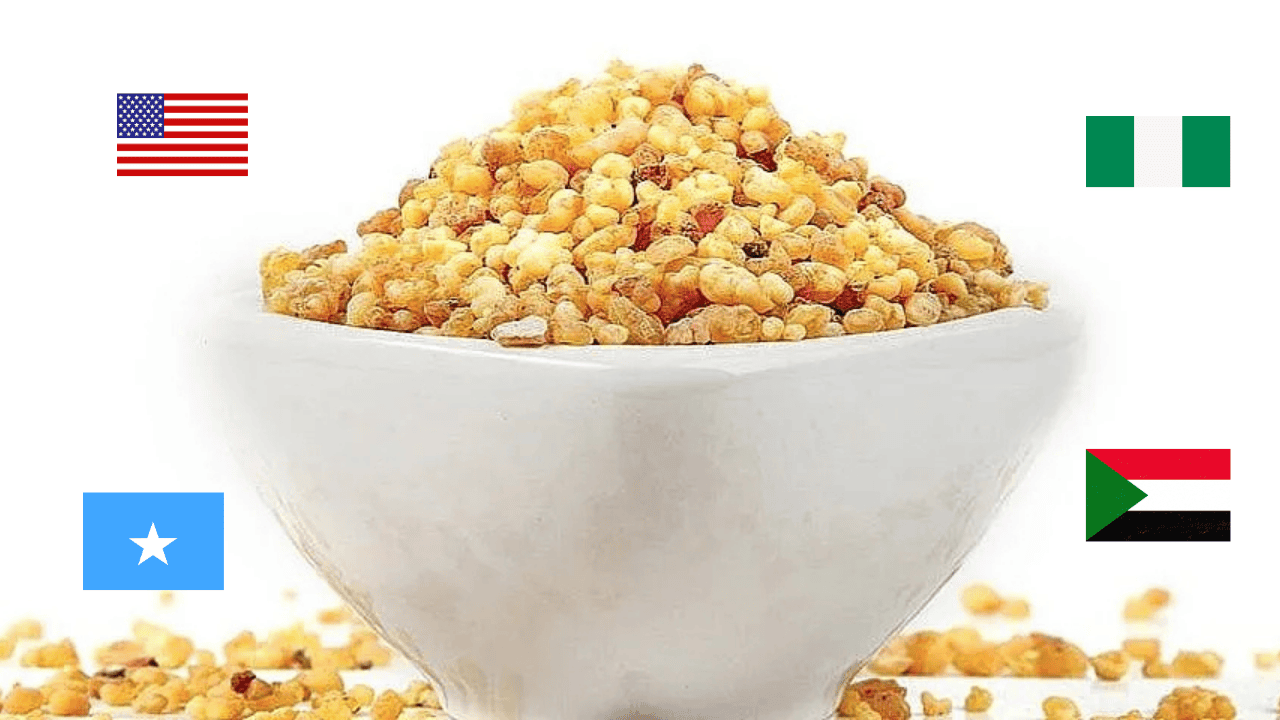
Fixatives serve as anchors that equalize vapor pressures and stabilize fragrance compounds. These substances—kept at 3-5% of the formula—slow evaporation rates, extending longevity. Both natural fixatives (like benzoin, myrrh, labdanum) and synthetic ones (including diphenylmethane, benzyl salicylate) bind to scent molecules.
Alcohol forms the base that dilutes and carries fragrance oils. Its rapid evaporation helps release scent molecules while affecting how a perfume unfolds. This process is crucial for creating sillage—the scent trail left behind. Perfume concentration varies, with fine perfumes containing up to 40% essential oils dissolved in alcohol, eau de toilette up to 15%, and cologne around 10%.
Professional perfumers may create up to 500 trials before finalizing a formula. Each iteration involves weighing precise amounts, as perfumers measure by weight (grams) rather than volume for accuracy and scalability.
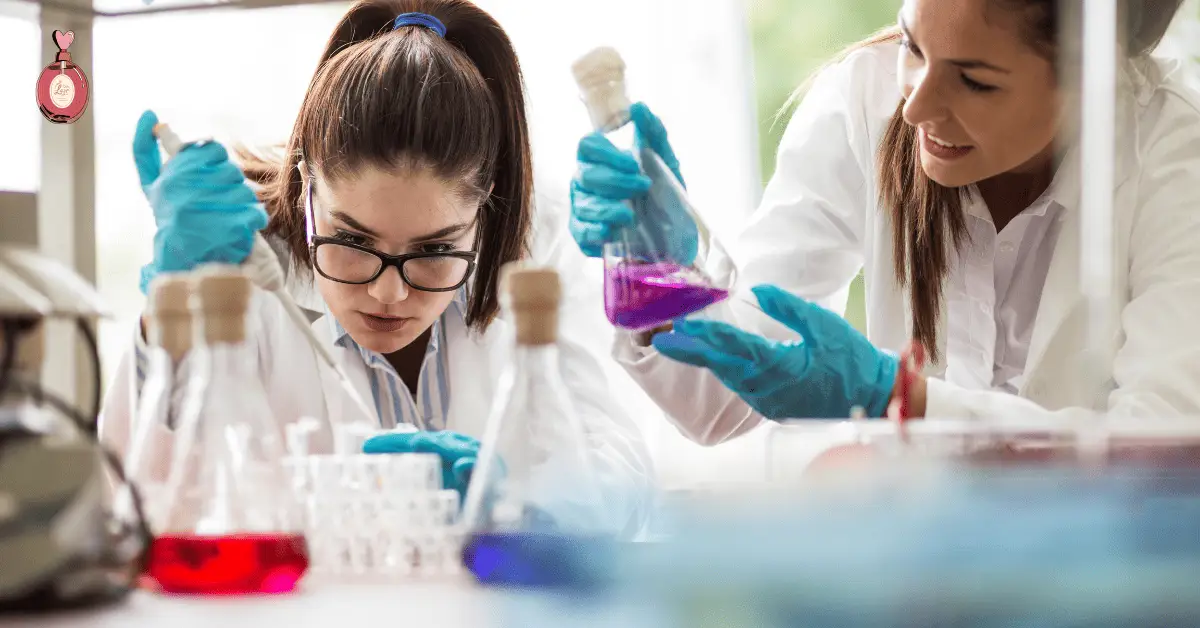
After formulation, a resting period allows components to harmonize. The blend undergoes rigorous evaluation on skin and paper strips, often by multiple testers. Some companies test fragrance using panels of 30 people who rate the scent at different points in time. This feedback guides adjustments to strength, popularity, and stability until the desired balance is achieved.
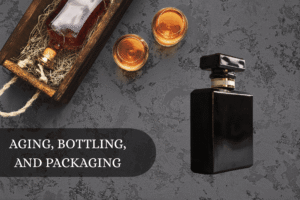
After the complex formulation process, perfumes aren’t immediately ready for consumers. The final phase involves critical steps that transform the raw fragrance into a market-ready product.
Aging is fundamental to developing exceptional fragrances. Throughout this maturation period, which typically lasts several months to a year, essential oils interact with alcohol under specific conditions. This process enhances depth and complexity while improving aromatic balance. Additionally, aging softens initially strong scents, creating smoother, more flowing fragrances with increased longevity on skin. Rich resinous, woody, and earthy blends generally age better than lighter fruity or floral compositions.
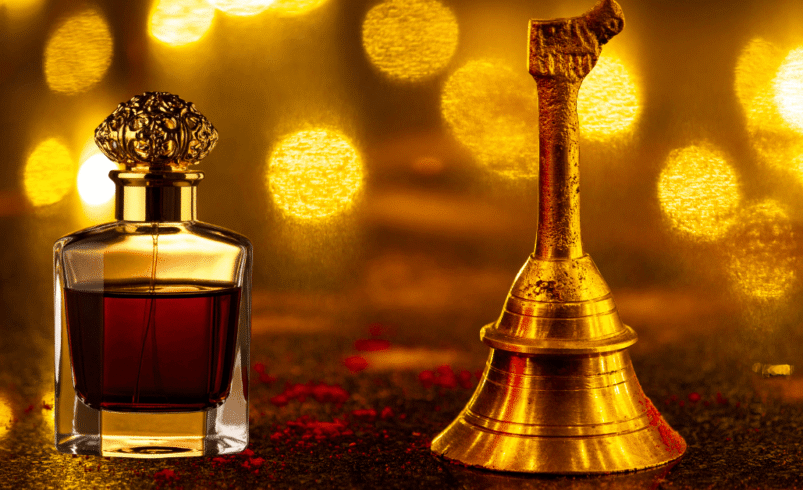
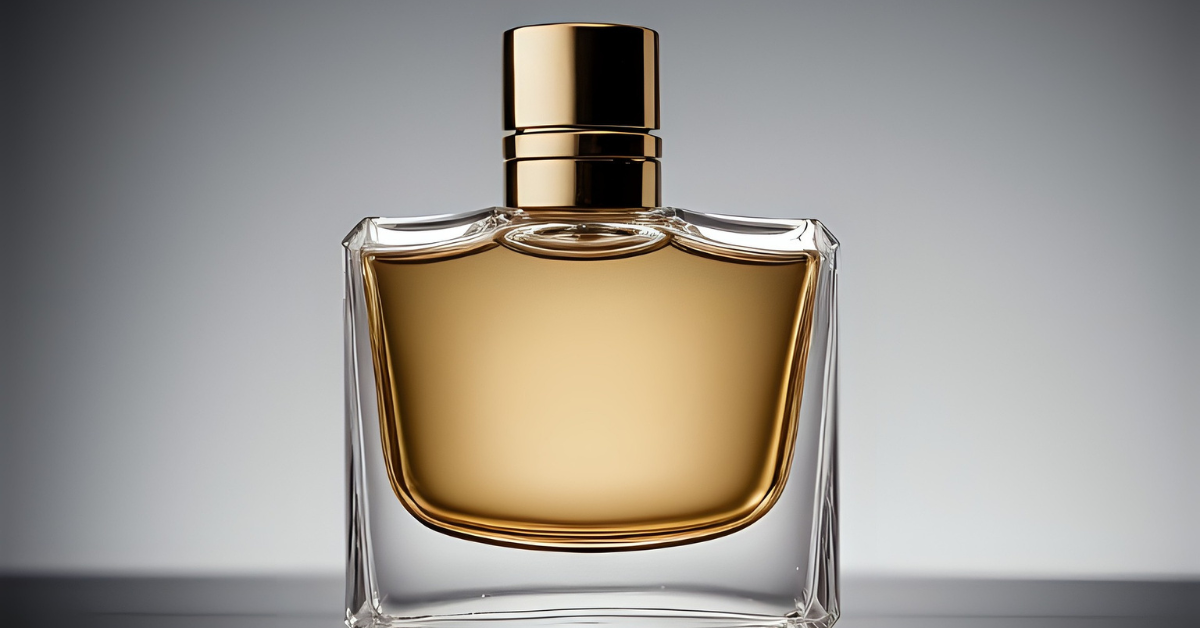
Perfume bottle manufacturing begins with design conceptualization followed by precision mold creation. The production process involves melting raw materials (silica sand, sodium carbonate, calcium oxide) at temperatures reaching 1500°C. Subsequently, the molten glass is shaped either through hand-blowing for luxury lines or machine forming for high-volume production. Following gradual cooling in an annealing oven, bottles undergo finishing treatments including polishing and decoration.
Automated filling machines ensure consistent volume in every bottle, preventing leaks while maintaining brand integrity. These systems can handle various bottle shapes and materials with high precision.
Effective packaging serves dual purposes—protection and brand communication. Well-designed perfume packaging extends product shelf life to 3-5 years by shielding contents from light, air, and heat. Quality materials signal luxury, with glass bottles preferred for their non-reactive nature. Color choices forge emotional connections with consumers, whereas imagery visually communicates the fragrance’s theme.
The journey from concept to bottle reveals perfume creation as a fascinating blend of art, science, and tradition. Throughout this article, we’ve explored how commercial perfumes transform from creative inspirations into the final products we love. Master perfumers, those rare “noses” with exceptional olfactory abilities, craft complex formulations that speak to our emotions and memories.
Natural ingredients certainly provide unique characteristics, though synthetics offer consistency, sustainability, and cost advantages. The extraction methods steam distillation, solvent extraction, expression, and enfleurage showcase centuries-old techniques still vital to modern production. Afterward, the careful blending of top, middle, and base notes creates that perfect aromatic pyramid that unfolds over time on your skin.
Aging stands as a crucial yet often overlooked step, allowing fragrances to mature and develop their full character before finally reaching those carefully designed bottles. The entire process typically spans one to two years, reflecting the meticulous attention required to create truly exceptional scents.
The next time you spritz your favorite perfume, you’ll undoubtedly appreciate the extraordinary journey it took from a creative spark in a perfumer’s mind to the elegant bottle in your hand. This complex blend of creativity, chemistry, and craftsmanship transforms rare ingredients into personal expressions that can lift our spirits, trigger memories, and become part of our identity. Perfumery remains one of the most enduring art forms, connecting us to traditions thousands of years old while still embracing modern innovation.
Understanding the intricate journey from concept to bottle reveals why creating exceptional perfumes requires both artistic vision and scientific precision.
The perfume industry masterfully combines ancient extraction techniques like steam distillation with modern innovations, creating fragrances that trigger up to 75% of our daily moods while serving as powerful tools for self-expression and emotional wellbeing.
Q1. How long does it typically take to create a commercial perfume? The process of creating a commercial perfume usually takes between one to two years. This includes the conceptualization, ingredient sourcing, formulation, testing, and refinement stages before the final product is ready for bottling and release.
Q2. What are the main components of a perfume’s scent structure? A perfume’s scent structure consists of three main components: top notes, middle notes, and base notes. Top notes create the initial impression, middle notes form the heart of the fragrance, and base notes provide depth and longevity to the scent.
Q3. Why are synthetic ingredients often used in perfumes? Synthetic ingredients are frequently used in perfumes because they offer consistency, sustainability, and cost-effectiveness. They provide uniform quality and scent profiles, reduce pressure on natural resources, and are typically less expensive than natural ingredients.
Q4. What is the purpose of aging perfumes before release? Perfumes are aged before release to enhance their depth and complexity. During this maturation period, which can last several months to a year, the essential oils interact with the alcohol, resulting in a smoother, more balanced fragrance with improved longevity on the skin.
Q5. How are perfume oils extracted from raw materials? Perfume oils are extracted from raw materials using various methods, including steam distillation, solvent extraction, expression (cold pressing), and enfleurage. The choice of method depends on the specific raw material and the desired quality of the resulting oil.
If you like this, our next topic is ready for you:
Click on the title and read complete article.