Introduction
Your drains are clogged again. You’ve tried the plunger, the chemical cleaner, even the snake — and nothing seems to work for long. Sound familiar?
That’s where hydrojet drain cleaning comes in. It’s one of the most powerful, effective, and long-lasting drain cleaning methods available today — and in this guide, you’ll learn exactly what it is, how it works, and whether it’s the right solution for your home or business.
What Is Hydrojet Drain Cleaning?
Hydrojet drain cleaning (also called hydrojetting) is a professional plumbing technique that uses highly pressurized water to blast away blockages, grease, scale, and debris from inside your pipes.
Unlike a drain snake that simply pokes a hole through a clog, a hydro jet completely clears the pipe walls — leaving them nearly as clean as the day they were installed.
A hydrojet machine pumps water at pressures ranging from 1,500 to 4,000 PSI (pounds per square inch), depending on the severity of the clog and the type of pipe. The water is delivered through a specialized nozzle that shoots jets in multiple directions — forward to cut through blockages, and backward to flush debris out of the pipe.
How Does Hydrojet Drain Cleaning Work?
Here’s a step-by-step breakdown of what happens during a professional hydrojetting service:
Step 1: Video Inspection First
A licensed plumber will typically run a small waterproof camera through your drain before starting. This video inspection helps them:
- Locate the exact position of the clog
- Identify the type of blockage (grease, roots, scale, debris)
- Check the condition of your pipes to make sure they can handle high-pressure water
Step 2: Inserting the Hose
The plumber inserts a flexible, high-pressure hose into the drain through a cleanout access point. The hose is connected to a water tank and a pressure pump.
Step 3: High-Pressure Water Blasting
The hydro jet nozzle is pushed through the pipe, blasting water in all directions. This:
- Cuts through hardened grease and buildup
- Breaks apart tree root intrusions
- Pulverizes mineral scale deposits
- Flushes all debris downstream and out of the pipe
Step 4: Final Flush & Check
Once the clog is cleared, the plumber flushes the line completely and may run the camera again to confirm the pipe is fully clear.
The entire process typically takes 1 to 3 hours, depending on the length and condition of your drain lines.
What Does a Hydrojet Drain Cleaner Look Like?
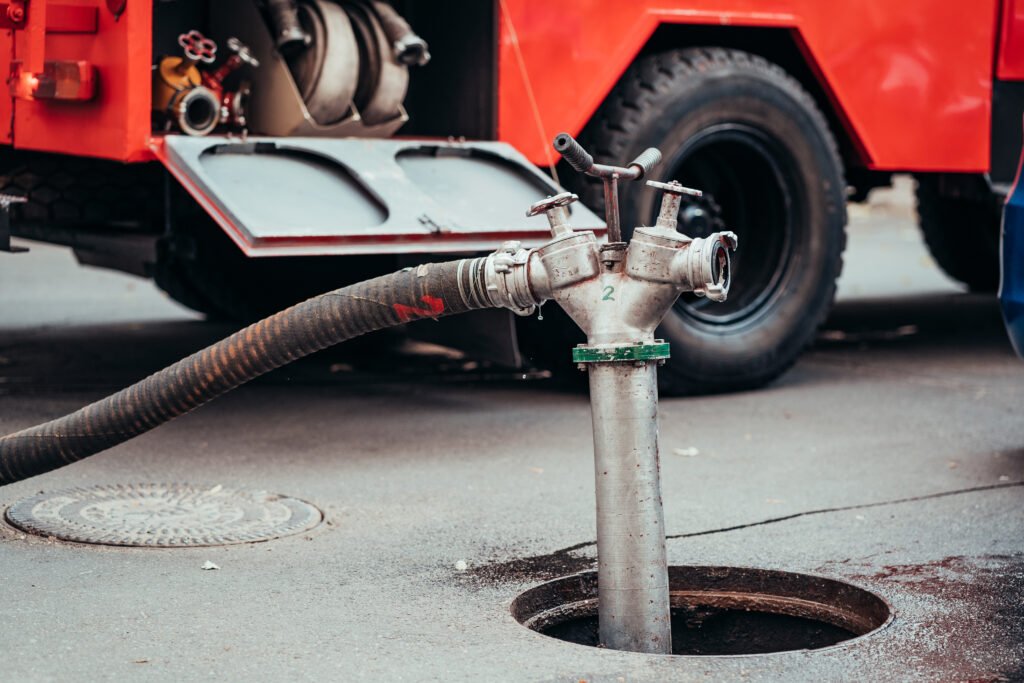
A hydrojet drain cleaning machine consists of:
- A water tank (holding 50–150+ gallons of water)
- A high-pressure pump (powered by gas or electricity)
- A high-pressure hose (100–300 feet long for sewer lines)
- Interchangeable nozzles designed for different types of clogs
Professional-grade machines are large and typically transported in a service van. Smaller, consumer-grade versions are available for rent, but they operate at much lower pressures and are best suited for minor clogs.
What Can Hydrojetting Remove?
Hydrojetting is effective against nearly every type of drain blockage, including:
| Blockage Type | Hydrojetting Effective? |
|---|---|
| Grease and fat buildup | ✅ Yes — extremely effective |
| Soap scum and hair | ✅ Yes |
| Tree root intrusion | ✅ Yes (light to moderate roots) |
| Mineral scale / calcium deposits | ✅ Yes |
| Silt and sand | ✅ Yes |
| Solid objects (toys, wipes) | ⚠️ Partially — may need retrieval first |
| Severely damaged/collapsed pipe | ❌ No — pipe repair needed first |
Hydrojetting Sewer Drain Cleaning
One of the most common applications of hydrojetting is sewer line cleaning. Sewer lines carry all wastewater from your home to the municipal system, and they are highly prone to:
- Grease accumulation from kitchen drains
- Tree root infiltration (roots seek out moisture and can crack pipe joints)
- Mineral scale buildup over years of use
- General debris and sediment
A hydrojetting sewer service involves inserting a long-reach hose (sometimes 300+ feet) directly into the sewer cleanout and blasting the entire line clean. This is especially recommended for:
- Recurring sewer backups
- Slow-draining fixtures throughout the house
- Pre-purchase home inspections
- Commercial properties with heavy grease output (restaurants, hotels)
Pro Tip: Many plumbers recommend hydrojetting your sewer line every 18–24 months as preventive maintenance — especially if you have mature trees near your sewer line.
Hydrojet Drain Cleaning vs. Drain Snake: What’s the Difference?
| Feature | Drain Snake | Hydrojetting |
|---|---|---|
| Method | Mechanical auger/cable | High-pressure water |
| What it does | Pokes through clog | Fully clears pipe walls |
| Effectiveness | Good for simple clogs | Excellent for all clogs |
| Results | Temporary relief | Long-lasting clean |
| Risk to pipes | Low | Low (if inspected first) |
| Cost | Lower | Higher |
| Best for | Minor clogs | Stubborn/recurring clogs |
Think of a drain snake as a quick fix, and hydrojetting as a deep clean. If you’ve had the same drain clogged multiple times this year, hydrojetting is almost certainly the better long-term solution.
Is Hydrojet Drain Cleaning Safe for All Pipes?
Generally, yes — but there are some important exceptions:
✅ Safe for: PVC pipes, ABS pipes, cast iron pipes (in good condition), clay sewer pipes (healthy condition)
⚠️ Use with caution: Older cast iron pipes with visible corrosion, clay pipes with cracks, pipes over 50 years old
❌ Not recommended for: Already damaged or collapsed pipes, pipes with active leaks or cracks
This is exactly why a camera inspection before hydrojetting is so important. A good plumber will never skip this step.
How Much Does Hydrojet Drain Cleaning Cost?
The cost of hydrojetting varies depending on:
- Location (urban areas tend to cost more)
- Pipe length and accessibility
- Severity of the clog
- Whether a camera inspection is included
On average, expect to pay:
- Residential hydrojetting: $350 – $600
- Sewer line hydrojetting: $500 – $1,000
- Commercial hydrojetting: $500 – $2,500+
While this is more expensive than snaking ($100–$250), the results last significantly longer — making it better value over time.
For a detailed cost breakdown by city and service type, see our full Hydrojet Drain Cleaning Cost Guide →
When Should You Call a Hydrojet Drain Cleaning Service?
Consider calling a professional hydrojetting service if you notice:
- Recurring clogs in the same drain
- Multiple slow drains throughout your home
- Gurgling sounds coming from your pipes or toilet
- Sewage smell from drains
- Water backing up into sinks, tubs, or toilets
- You’re buying an older home and want a fresh start on the plumbing
DIY Hydrojetting: Is It Possible?
Yes, hydrojet drain cleaner machines are available for rental at some equipment rental stores. However, DIY hydrojetting comes with real risks:
- Using too much pressure can crack or dislodge older pipes
- Without a camera inspection, you won’t know if your pipes can handle it
- Improper nozzle selection can be ineffective or dangerous
- Personal injury risk — high-pressure water can cause serious cuts
For most homeowners, hiring a licensed plumber is the safer, more effective option. DIY rentals make most sense for experienced users with newer PVC pipes and a straightforward clog.
Want to rent a hydrojet machine anyway? See our Hydrojet Drain Cleaner Rental Guide → for costs, where to rent, and safety tips.
How to Find a Reliable Hydrojet Drain Cleaning Service
When hiring a plumber for hydrojetting, look for:
- ✅ Licensed and insured
- ✅ Offers camera inspection before the job
- ✅ Provides a written estimate
- ✅ Has strong local reviews (Google, Yelp)
- ✅ Experience with your specific pipe type
Avoid anyone who skips the inspection or can’t explain the process clearly.
Frequently Asked Questions
Q: How long does hydrojet drain cleaning take?
A: Most residential jobs take 1–3 hours. Commercial or severe sewer blockages may take longer.
Q: How often should I hydrojet my drains?
A: For residential homes, every 1–2 years as maintenance. More frequently for restaurants or properties with heavy grease output.
Q: Can hydrojetting damage my pipes?
A: Not if done correctly with a prior camera inspection. A qualified plumber will adjust pressure based on your pipe type and condition.
Q: Is hydrojetting better than Drano?
A: Yes, significantly. Chemical drain cleaners like Drano can corrode pipes over time and only partially clear clogs. Hydrojetting fully clears the pipe without chemicals.
Q: Can hydrojetting remove tree roots?
A: Yes, for light to moderate root intrusion. Severe root damage may require pipe repair or replacement after the roots are cleared.
Conclusion
Hydrojet drain cleaning is one of the most thorough and effective plumbing services available. Whether you’re dealing with a stubborn sewer backup, recurring kitchen drain clogs, or simply want to maintain your pipes properly — hydrojetting delivers results that snaking and chemical cleaners simply can’t match.
The key is to work with a licensed professional who performs a camera inspection first and uses the right pressure for your pipe type.
Ready to get your drains cleaned? Find a professional hydrojet drain cleaning service near you, or explore our city-specific guides to find trusted local plumbers.