Here's something nobody tells you when you first get an NDIS plan. Your garden counts. Not just as a nice-to-have. Not just as a patch of green outside your window. But as part of your safety, your independence, and honestly, your peace of mind.
So, Will the NDIS Actually Pay for Gardening?
Short answer: yes.
Longer answer: yes, when it's considered "reasonable and necessary" for your support needs.
That means lawn mowing, weeding, trimming overgrown hedges, green waste removal — all of it can be funded under your Core Supports budget. The key is that it has to connect to your disability-related needs. The NDIS isn't going to pay someone to plant roses for the aesthetics. But keeping your yard safe, accessible, and hazard-free? That's exactly what this funding is for.

Can You Claim Lawn Mowing Specifically?
Yes. And more people should.
If your disability makes it unsafe or impossible for you to mow your own lawn, and there's nobody in your household who can reasonably step in, lawn mowing can be written into your plan.
Jordan handles this with real care. That includes:
- Mowing the lawn
- Edging around paths and driveways
- Removing green waste
- Clearing debris from footpaths
Why does this matter? Because long grass hides uneven ground. Because overgrown edges turn a simple walk to your letterbox into a fall risk. For participants who use mobility aids or are prone to falls, a tidy yard isn't a luxury. It's a safety measure.
How Do You Know if You're Eligible?
Ask yourself three things.
Are you a current NDIS participant? Can you not safely do yard work because of your disability? And does having a maintained garden support your goals around safety, daily living, or independence?
You're likely eligible. The easiest time to get it into your plan is at your initial planning meeting or your next reassessment. Missed that window? You can still request a plan review. Bring documentation from your GP or therapist, and make the case clearly. It works.

What Exactly Does the NDIS Cover?
Think essential. Not decorative.
The NDIS funds yard maintenance that directly supports your ability to live safely at home. That looks like:
- Lawn mowing to reduce trip hazards
- Pruning branches or hedges that are blocking pathways or ramps
- Weeding garden beds that could harbour pests or mould
- Clearing green waste that poses a fire or health risk
- Trimming shrubs around driveways and walkways
What it doesn't cover is landscaping for the sake of it, or garden design projects without a clinical justification. Jordan focuses on what's practical and what's actually needed — because every yard is different, and so is every participant.
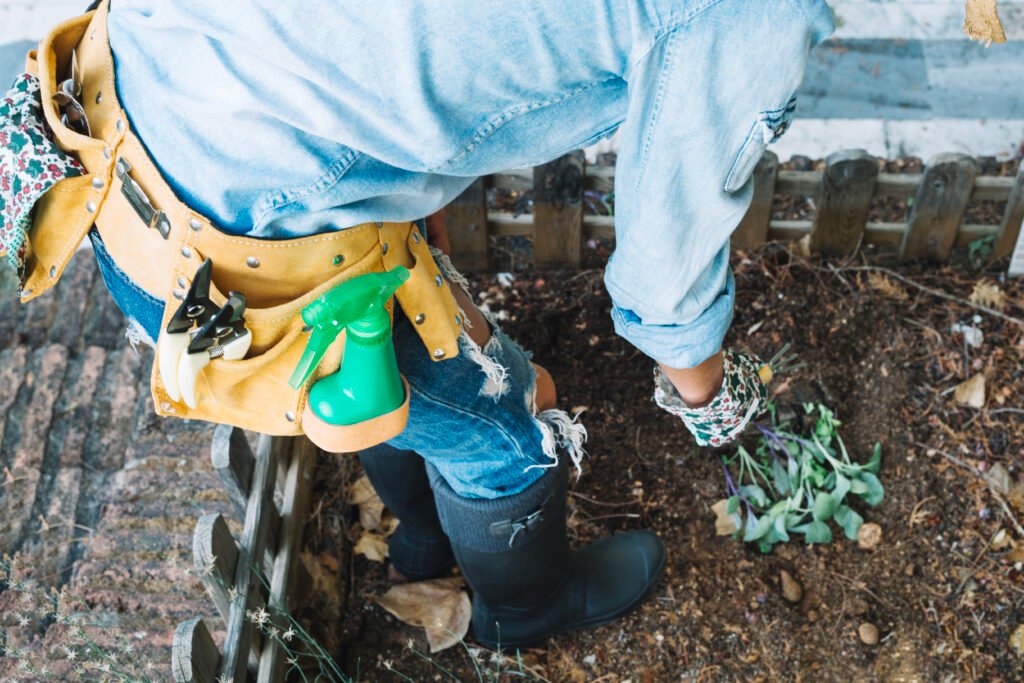
A practical breakdown of what regular garden upkeep actually involves — and why staying on top of it makes such a difference.
An unattended garden isn't just an eyesore. For people living with disability, it can be genuinely dangerous.
Why Does Regular Garden Maintenance Matter?
Because an unattended garden isn't just an eyesore.
For people living with disability, it can be genuinely dangerous. Slippery leaves. Long grass hiding dips in the ground. Branches blocking a ramp. Mould building up and affecting your breathing. And underneath all of that — the quiet, grinding stress of feeling like your home is getting away from you.
Regular garden maintenance removes those risks. But it also does something harder to measure. It gives people their outdoor space back. A clean path. A tidy courtyard. Somewhere to sit outside and breathe. That matters more than it sounds.
Small, consistent habits at home — indoors and out — can make the biggest difference to how your space feels day to day.

What's the NDIS Line Item?
If you're looking for the specifics, here they are. Garden and yard maintenance is funded under Core Supports – Assistance with Daily Life.
This works across all plan types — self-managed, plan-managed, and NDIA-managed. The one thing to note: if your plan is NDIA-managed, your provider needs to be registered.
What Will It Cost?
Under the current NDIS Pricing Arrangements (as of July 2025), the capped hourly rate for gardening and yard maintenance sits between $54.30 and $65.47 per hour, depending on your provider and region.
- Labour by a qualified support worker or gardening professional
- All tools and equipment required for the job
- Green waste removal where applicable
Jordan keeps pricing transparent and straightforward. Every invoice is itemised clearly — which makes life easier for plan managers and self-managed participants when it comes to processing claims.
If your NDIS plan also covers home cleaning, this guide walks you through what to expect and how to get the most out of your support.
Why Work With Jordan?
Because experience matters. And so does trust.
Jordan has delivered thousands of NDIS garden maintenance services to people living with disability across Australia. Every job is done by trained professionals who genuinely understand what it means to work in someone's home with respect and care.
The referrals speak for themselves. Support coordinators and allied health professionals recommend Jordan regularly — because consistent, quality service builds that kind of reputation over time.
Familiar, friendly faces who show up and do the job properly, every time.
Appointments that fit around your life, not the other way around.
Your home is treated with the same care you'd expect for your own.
Green waste removed, no mess left behind. Just a tidy yard.
Your Garden Should Feel Like Home
With the right support in place, a safe, well-maintained outdoor space is absolutely achievable. Reach out today — Jordan is ready to help.
Get in Touch